Data Analysis
Business dashboards, KPI analysis, and data-driven decision support
This section highlights my work in business intelligence, reporting, and analytical problem-solving using Power BI, Excel, SQL, and Python. The focus is on turning raw data into clear operational and financial insight.
Featured Dashboard
Retail Performance Dashboard
This project evaluates revenue, profitability, and customer behavior across categories and segments. The objective is to identify where growth is coming from, where margin pressure is building, and which areas deserve management attention.
Revenue
KPI View
Gross Profit
Margin Lens
Customer Trends
Segment Read
Dashboard Preview
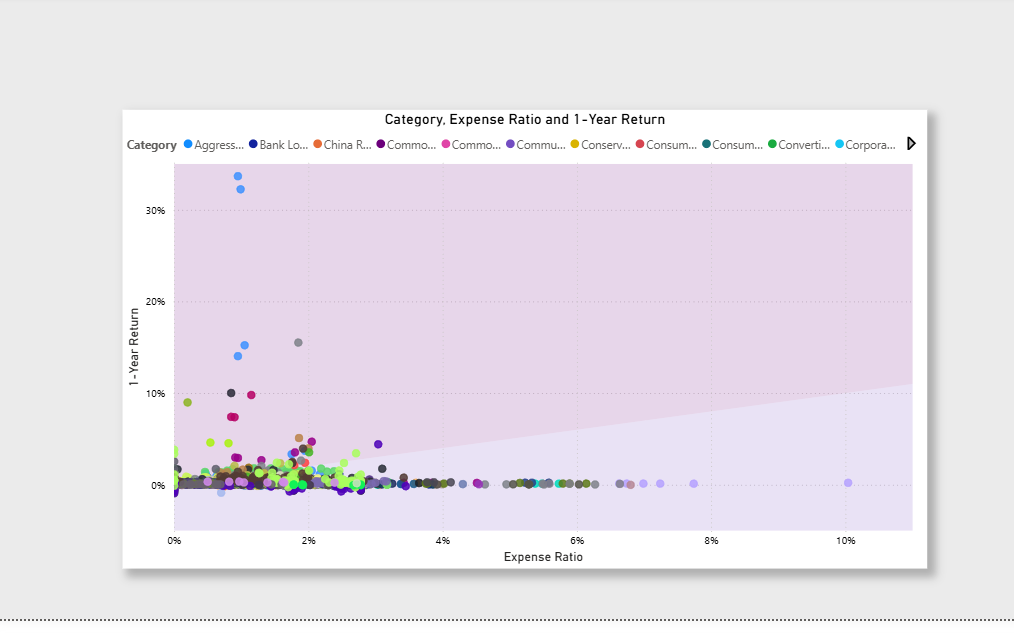
Business Question
How are revenue, margins, and customer trends evolving across products, segments, and time?
Tools Used
Key Insights
Revenue growth was uneven across categories, with performance concentrated in a limited number of high-contributing areas.
Margin pressure can persist even when sales rise, so volume alone is not a sufficient indicator of business strength.
Customer and segment-level analysis helps distinguish broad-based growth from isolated performance pockets.
What I Focus On
Dashboard Development
Interactive reporting with decision-focused layouts, KPI cards, trend views, and clean visual hierarchy.
Business Metrics
Revenue, margin, growth, retention, customer behavior, and operational performance measurement.
Data Preparation
Cleaning, structuring, validating, and transforming data for reliable reporting and analysis.
Analytical Storytelling
Turning charts and model outputs into clear findings, implications, and action-oriented recommendations.
Selected Projects
Sales & Profitability Analysis
Tracked revenue, gross profit, and margin trends across products, time periods, and customer segments.
Customer Segment Dashboard
Compared order behavior, average order value, and segment-level performance to identify concentration and retention patterns.
Operational KPI Tracker
Built a monitoring view for trend analysis, management reporting, and exception identification across business metrics.
How I Work
1. Define the question
Start with the business decision the dashboard should support, not just the data available.
2. Prepare the data
Clean fields, standardize categories, validate measures, and create a structure that supports analysis.
3. Build the model
Create meaningful KPIs, comparisons, filters, and visual logic aligned with the business problem.
4. Deliver insight
Summarize what changed, why it matters, and what management or stakeholders should pay attention to next.
Tools
Data Work with Decision Value
My goal in analytics is not only to build visuals, but to structure information in a way that improves decision quality. Each project is designed to connect data, interpretation, and action.